Salvage Snowmobiles for Sale
8Filter
Search filters
Time left to place preliminary bid
- days
- hours
- min
- sec
Current bid Preliminary bid $600 USD
Vehicles sold “as is - where is”, all sales are final.
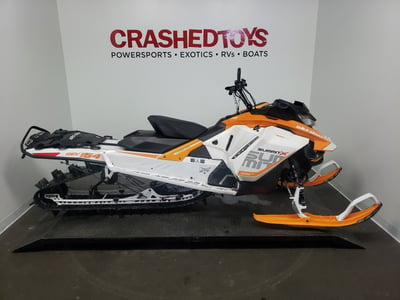
- Condition Run and drive
- VIN 2BPSTMHJXHV******
- Lot number 37268451
- Location MN - Ham Lake
- Damage Front end
- Odometer 1,346 mi (actual)
- Date of auction
- Seller

Time left to place preliminary bid
- days
- hours
- min
- sec
Current bid Preliminary bid $0 USD
Vehicles sold “as is - where is”, all sales are final.
- Condition Won’t start
- VIN 2BPSBU8D08V******
- Lot number 77510915
- Location MI - Woodhaven
- Damage Front end, missing/altered VIN
- Date of auction
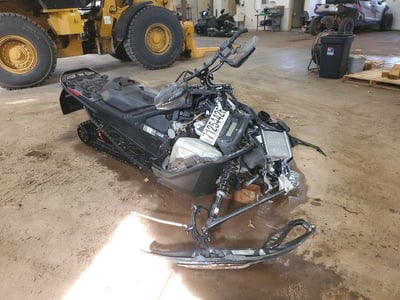
- Condition Won’t start
- VIN 2BPSDTPA9PV******
- Lot number 71254426
- Location MN - Ham Lake
- Damage Front end
- Odometer 1,134 mi (actual)
- Date of auction Auction date is not assigned

- Condition Won’t start
- VIN 2BPSBL9CX9V******
- Lot number 67719486
- Location PA - Pennsburg
- Damage Mechanical
- Date of auction Auction date is not assigned

- Condition Won’t start
- VIN 2BPSDUKB4KV******
- Lot number 42072776
- Location MI - Kincheloe
- Damage Front end
- Date of auction Auction date is not assigned

- Condition Won’t start
- VIN 2BPSCFKL0KV******
- Lot number 56963996
- Location CO - Brighton
- Damage Front end, side
- Date of auction Auction date is not assigned
- Seller

 2009
Ski-Doo 2009 Ski-doo 000mf9b
- Condition Engine start
- VIN 2BPSMF9B99V******
- Lot number 45624356
- Location PA - Pennsburg
- Damage Front end, side
- Date of auction Auction date is not assigned

2012
Ski-Doo Renegade X-rs E-tec 800r
- Condition Won’t start
- VIN 2BPSUPCB2CV******
- Lot number 55418934
- Location NM - Albuquerque
- Damage Front end, rear end
- Date of auction Auction date is not assigned
Makes
FAQ
Usually, but availability should be checked before bidding. For salvage snowmobiles, Polaris provides parts catalogs and VIN-based vehicle lookup, while Ski-Doo parts selection uses year, model, package and engine. Polaris notes some older cataloged parts are no longer available, so verify repair-critical parts first.
Yes. Low mileage records distance, not storage quality. Polaris offseason guidance separately addresses fuel stabilization, battery storage, drive-belt removal and track care, so a low-mileage sled can still carry storage-related uncertainty. In snowmobile salvage listings, unknown storage history should be evaluated separately from the odometer reading.
Yes, if the modification cannot be identified or verified. On a wrecked snowmobile, track studs deserve specific attention: Polaris warns that incorrect stud length or installation can damage the track or tunnel, and studded tracks increase brake-inspection needs. Verify the modification and fitment before assigning it added value.
Two same-year sleds can represent completely different purchases at a snowmobile auction when they were built for different terrain. Trail-focused machines prioritize groomed-route control, while deep-snow and mountain sleds are designed around flotation and maneuverability off trail; a lower Current bid does not make those roles interchangeable. CARS4.BID gives buyers access to Copart and IAAI salvage snowmobiles for sale through one platform. Define the riding environment before letting auction price or model year influence which lot you prefer. The first comparison then stays tied to what the sled must actually do.
Confirm the exact configuration before comparing snowmobile auction lots by location
A model-family name such as Ski-Doo MXZ or Polaris RMK is too broad to confirm that two salvage snowmobiles are the same configuration. The useful question is what the specific year, model, trim or package identifies, because one family can include variants with different engines, track lengths and equipment.
Use the listing details to narrow that identity:
- Ski-Doo MXZ can appear in distinct packages such as X-RS, X-RS with Competition Package, X and Adrenaline. If an auction lot says only MXZ, do not carry package-specific equipment into the comparison until the exact version is supported by the listing or an official manufacturer source.
- Polaris RMK Khaos can appear in 146-, 155- and 165-inch track configurations. Numbers in Polaris snowmobile names commonly refer to track length, so a missing or uncertain suffix can leave a meaningful configuration detail unresolved rather than safe to infer.
- Engine or package wording also matters. Two sleds from the same family can share a model name while differing in the engine or factory package attached to it. On CARS4.BID, Model, Trim and Year are separate filters; use the available lot data before treating two sleds as direct alternatives.
At an online snowmobile auction, group lots by confirmed configuration, not by family name alone. If a critical detail remains Unknown, keep that sled outside comparison until the exact version is verified.
Only then should geography refine the shortlist. If you search for snowmobile auctions near me, enter your ZIP code in Distance, then use Auction state and Location to compare suitable candidates. Distance should break ties between compatible sleds; it should not create product fit.

Trace damage through affected systems when comparing wrecked snowmobiles for sale
On a snowmobile, a Damage label should point you toward the systems behind the visible impact. For Front end damage, compare both sides as one chain: ski/skag, spindle, steering links, control arms and shock-mounting area. One odd angle may come from camera perspective; several related parts showing the same side-to-side mismatch give a stronger reason to verify the affected system.
| Damage signal | Systems to trace | Visible evidence | Photos cannot establish |
|---|---|---|---|
| Front end | Skis/skags, spindle, tie rods, front suspension | Unequal ski position; related parts displaced on one side | Exact geometry, hidden cracks, bearing/joint condition |
| Rollover | Visible affected areas; if the rear/tunnel area is involved, tunnel, skid, rails/slides, track | Side-to-side or line irregularities in photographed areas; missing component | Structural alignment, track tension/alignment, hidden damage |
When Rollover damage involves the rear or tunnel area, read that evidence as a connected pattern. Follow the tunnel and running-board line toward the skid and track instead of judging one dent alone. A step in that line together with an offset-looking track or suspension component is more meaningful than either clue by itself.
Track evidence has a hard photographic limit. Polaris procedures require elevating the sled, rotating the track, measuring slack under load and checking alignment through the track windows. Auction photos can show displacement, tears or missing material, but cannot confirm track tension or alignment. If the needed view is missing, that area remains Unknown.
On the lot page, Condition is separate from Damage. Run and drive records only that the vehicle started and moved under its own power during auction inspection; it does not establish mechanical soundness. A crashed snowmobile with Run and drive and Front end damage can still leave the steering and front suspension unresolved.
The strongest remote evidence comes from related clues, not one isolated view. If a critical link in the affected system is not shown, treat it as Unknown instead of assuming it is undamaged.
Read odometer status before ranking salvage snowmobiles by mileage
At snowmobile auctions, a low displayed mileage can make one sled look like the better buy before its odometer status is read.
Use the status first:
- Actual: treat the displayed mileage as the stronger listing signal for accumulated distance. It still does not establish the condition of the drive belt, track, rail slides, skags or suspension.
- Not actual: do not use the number as a reliable total-use baseline or rank it directly against an actual reading. A 1-mile not actual reading is weaker mileage evidence than a higher reading confirmed as actual.
- Unknown: there is no usable mileage evidence to add to the comparison. Do not reconstruct it from model year, appearance or another sled from the same family.
Wear-sensitive snowmobile parts need their own evidence. Polaris maintenance guidance treats the drive belt, track, rail slides, skags and suspension as separate inspection items. Belt wear can include frayed edges, missing cogs, cracks or excessive looseness; rail slides have a wear limit, while skags also require direct wear inspection. An actual odometer reading cannot confirm any of those conditions.
For buyers comparing snowmobile salvage listings, mileage should affect shortlist position only when its status is reliable. Pair that signal with whatever usable evidence exists for the wear-sensitive systems that matter on the specific sled. If those components are not shown well enough to judge, keep them unverified even when the mileage is actual.
This changes the commercial comparison between lots. A sled with a higher actual reading can provide a stronger basis for comparison than one showing a much lower not actual number. The stronger candidate is the lot with more reliable mileage information and fewer unresolved wear questions.

Set a maximum bid for a snowmobile auction lot with three budget reserves
Two wrecked snowmobiles can show similar Current bids and still deserve different maximum bids. What matters is what remains from your project ceiling after known costs and unresolved snowmobile-specific items.
Use three separate reserves:
- Geometry and track-system reserve. Apply it when front steering, tunnel/skid/track alignment, rollover-related structure, or needed views remain unresolved. Do not guess a repair bill; keep part of the budget outside the bid until that uncertainty is better defined.
- Powertrain and wear reserve. Carry forward unresolved questions such as Won’t start, not actual or Unknown mileage, or insufficient evidence for the belt, track, rail slides, skags or suspension. The reserve covers uncertainty that remains; it is not a guessed repair estimate.
- Recovery and handling reserve. A Won’t start snowmobile or a lot without a key may require special loading or unloading. Units unable to run and drive or without keys may incur additional handling costs, so keep room in the project budget until the lot-specific recovery requirement is known.
Use the CARS4.BID Price calculator on the lot page to check additional costs, delivery price and final cost. The calculator does not estimate snowmobile repairs or unresolved technical condition; those three reserves are the buyer’s own budget decisions.
A practical ceiling is:
project ceiling − applicable fees − delivery/handling − three reserves = maximum bid.
At snowmobile auctions, a lower Current bid should not automatically justify a higher maximum bid. A wrecked snowmobile with unresolved steering/track and recovery questions can justify a lower maximum bid than another sled with fewer unresolved items even when their Current bids match. Set the maximum for each lot before bidding; the Current bid can move, but the project ceiling should stay fixed.
How much does a snowmobile cost at snowmobile auctions?
Completed auction sales show a wide price spread, but they still give buyers a useful planning reference. Publicly visible completed Copart results include 2014–2018 snowmobiles around $1,000–$5,000, 2019–2021 sleds around $2,000–$7,500, and 2022–2024 machines around $2,500–$9,000. Some completed sales exceed $10,000.
These ranges are market references, not fixed averages or predicted winning prices for individual salvage snowmobiles. Exact model, configuration, Condition, Damage and the quality of available evidence can move a result well outside the typical band. Use the range to understand the price scale first; evaluate the specific lot separately.
If one of the salvage snowmobiles for sale still needs verification because a critical physical detail is missing, ask a CARS4.BID manager whether an independent inspection is available before the auction. The inspector can provide a detailed photo/video report with additional evidence, but the inspection cannot guarantee that every hidden defect will be found.
